Department of Microbiology, Virology and Immunology
Last update: 27th October, 2026
-
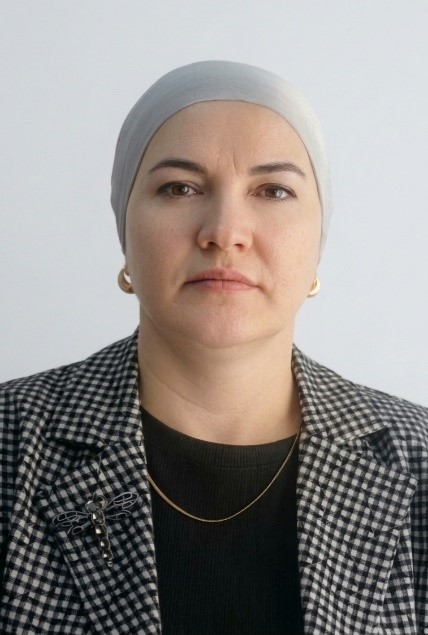
MIRZOEVA FAZILA DAVLATALIEVNA
Position: The head of the department of microbiology, virology and immunology
Academic degree: Candidate of medical sciences
Specialty: Microbiology
Tel: +992888666422
HISTORY OF THE DEPARTMENT
The Department of microbiology, virology, and immunology serves as a core educational, scientific, and developmental unit within the NEI "Medical-Social Institute of Tajikistan" Its activities encompass educational and methodological work, scientific research, social and character-building initiatives, and the development of international relations. The department was established in accordance with current regulations, pursuant to Order No. 04-530 issued by the Institute’s Rector on October 1, 2022. Under this mandate, the department implements academic programs across the levels of higher professional education, postgraduate professional education, and supplementary education.
From October 6, 2022 (per Rector’s Order No. 04-538) until April 2024, the position of Head of the Department was held by Professor Saidbeg Sattorovich Sattorov, Doctor of Medical Sciences. Since April 1, 2024, following Rector’s Order No. 04-95, the department has been led by Fazila Davtalalievna Mirzoeva, Candidate of Medical Sciences. The department offers instruction in two subjects—"Microbiology and Virology" and "General Immunology"—in three languages (Tajik, Russian, and English). Currently, department members carry out multifaceted tasks aimed at enhancing educational, methodological, scientific, and developmental activities. The primary objective is to improve the quality of both theoretical and practical sessions by developing specialized methodological and educational resources for all subjects taught to students across all faculties.
The facilities for conducting theoretical and practical classes are satisfactory; they are equipped with visual aids, which significantly enhance the quality of education and ensure that sessions are highly effective.
Schedules for theoretical and practical classes—covering the specialties of "General Medicine," "Medical Psychology," "Social Work," "Dentistry," and "Pharmacy"—have been approved in all three languages. Furthermore, examination questions are available in these three languages, and an information board is provided for student reference.
EDUCATIONAL ACTIVITIES
The department offers educational programs for 2nd and 3rd-year students across the specialties of "General Medicine," "Medical Psychology," "Social Work," "Dentistry," and "Pharmacy." Courses in "Microbiology and Virology" and "General Immunology" are taught in three languages: Tajik, Russian, and English.
Students follow a credit-modular system of education. Throughout the academic year, they undergo four oral assessments, followed by examinations in the department's subjects during the summer and winter examination sessions—all conducted in Tajik, Russian, and English.
Theoretical and practical classes are held in accordance with educational standards, incorporating modern technologies and innovative teaching methods in Tajik, Russian, and English. Furthermore, the department's faculty have compiled a comprehensive range of visual aids (charts and posters), test materials, independent study assignments, and instructional guidelines for practical sessions, all of which contribute to enhancing the quality and standard of instruction.
SCIENTIFIC AND RESEARCH ACTIVITIES
Scientific work by faculty members holds a significant place in the department's operations. In alignment with the institute’s scientific agenda, the department focuses on developing its research capacity, enhancing professional qualifications, and engaging talented young educators in research activities, with the ultimate goal of enriching the educational process through the integration of scientific research findings.
The results of scientific and research work conducted by the department's faculty are regularly incorporated into the students' day-to-day learning activities. With the aim of enhancing the quality of medical professional training, fostering creative engagement in research and scientific inquiry, deepening the study of specialized subjects, increasing student involvement, integrating science with practical application, and strengthening both theoretical knowledge and practical skills—as well as in fulfillment of the objectives set forth in the Decree of the President of the Republic of Tajikistan dated January 31, 2020 (No. 1445), titled "Twenty Years of Study and Development of Natural, Exact, and Mathematical Sciences in the Fields of Science and Education"—a specialized scientific circle operates under the department, focused on the theme: "Medicinal Plants as a Source of Antibacterial and Antiviral Compounds." The circle involves department faculty members and talented students with an aptitude for scientific research. Faculty and students regularly participate in scientific-practical conferences for young scholars and students—both at the institutional and national levels—as well as in broader scientific forums. They have frequently been recognized with certificates of honor, letters of appreciation, diplomas, and commemorative gifts. Meetings of the department’s student scientific society are held quarterly, in accordance with an approved plan. During these sessions, topics are presented, and various approaches to conducting scientific research are discussed.
For the past three years, the department’s academic and teaching staff—led by Professor S. Satorov, Doctor of Medical Sciences—have organized international scientific-practical symposiums, conferences, and dedicated sessions on microbiology, held in both online and offline formats, including:
- Republican Scientific and Practical Conference of Young Scientists and Students of the NEI “Tajik Medical and Social Institute,”, “Youth—Creators of Science and Innovation Today and Tomorrow,” 12 April 2024, Dushanbe.
- International Symposium on “Plants and Human Health,” held as part of the Institute’s 4th Annual Republican Scientific and Practical Conference with international experts, “Strategy for the Development of Medical and Social Sciences in the Republic of Tajikistan: Experience, Challenges and Solutions,” 18–19 October 2024
- Proceedings of the April Republican Scientific and Practical Conference of Young Scientists and Students of the Tajik Medical and Social Institute, “Medical and Social Education: Innovative Approaches, Relevance, Challenges and Solutions,” 18 April 2025
- International Symposium “Metabolomics of Plants, Humans and Microorganisms,” held as part of the 5th International Scientific and Practical Conference of the Tajik Medical and Social Institute, “Current Medical and Social Problems (Science and Practice) and Ways to Address Them in the Republic of Tajikistan,” 17 October 2025.
- Section during Science Week at the NEI “Tajik Medical and Social Institute”, 25 April 2026.
- International Symposium “Medicinal Plants: Therapeutic, Cosmetic and Food Properties,” held as part of the 6th International Conference of the NEI "Tajik Medical and Social Institute”, “Achievements, Challenges and Prospects for the Development of Medical and Social Science and Education in Tajikistan,” dedicated to the 35th anniversary of the independence of the Republic of Tajikistan, 2 May 2026.
Over the past three years, the academic staff of the Department of Microbiology has produced the following publications:
- 7 articles in journals indexed in Scopus;
- 12 articles in journals peer-reviewed by the Higher Attestation Commission (HAC) under the President of the Republic of Tajikistan;
- 40 publications in conference proceedings at the national (republican) level;
- 10 publications in international conference proceedings.
Additionally, one Candidate of Sciences (PhD-equivalent) dissertation was successfully defended in the fields of "Pharmaceutical Chemistry, Pharmacognosy" (specialty 3.4.2) and "Microbiology" (specialty 3.3.19) by S. N. Mavlonazarova, an assistant in the Department of Microbiology, Virology, and Immunology. The dissertation was supervised by Professor Saidbeg S., Doctor of Medical Sciences, a faculty member of the department (June 6, 2026).
EDUCATIONAL AND CHARACTER-BUILDING ACTIVITIES
A key aspect of the students' upbringing involves fostering a spirit of humanism, patriotism, and national pride—with a particular emphasis on the observance of deontological (professional ethical) standards. Training sessions are conducted for the department’s young staff members and students, covering ethical norms, political and professional conduct, respect for mentors, and other issues related to medical deontology.
The department conducts academic instruction for students across all of the institute’s faculties, covering the fields of General Medicine, Medical Psychology, Social Work, Dentistry, and Pharmacy. The department’s overall academic plan, as well as the individual work plans for each faculty member, are approved during departmental meetings.
At the beginning of practical sessions, SIWT and other scheduled class hours, particular emphasis is placed on themes such as love for the Motherland and its people, the significance of state symbols, and the study of works authored by the Founder of Peace and National Unity – Leader of the Nation, President of the Republic of Tajikistan, Emomali Rahmon. Furthermore, attention is directed toward achieving the objectives and implementing the State Strategy of the Republic of Tajikistan on Countering Extremism and Terrorism. Simultaneously, the department addresses critical issues including the rejection of unconstitutional tendencies, the fight against corruption, the importance of the Rogun Hydropower Plant, and the implementation of the laws of the Republic of Tajikistan "On the Regulation of Traditions, Celebrations, and Rites" and "On Parental Responsibility in the Upbringing of Children."
Students engage in daily discussions regarding appropriate conduct in public spaces, proper manners in communication and interpersonal interaction, and standards of dress. Special attention is given to student participation in both practical and theoretical classes. In the event of an absence for a valid reason, students are required to make up the missed coursework promptly. Students are also expected to participate actively in the public and social events organized by the institute and the department.
CONTACT INFORMATION (ADDRESS, TELEPHONE)
The Department of Microbiology, Virology, and Immunology is located on the 6th floor of the main building of the NEI "Medical-Social Institute of Tajikistan". It comprises 6 classrooms equipped with visual aids, an electronic whiteboard, and a projector.
Institute address: 2 Klara Zetkin St., Dushanbe, 734042, Republic of Tajikistan; Tel.: (+992) 907 86 86 30; E-mail: 11zarrr@mail.ru
DEPARTMENT STAFF
Mirzoeva Fazila
Position: Head of the Department
Academic Degree: Candidate of Medical Sciences
Specialty: Epidemiologist, Hygienist, Public Health Organization, Microbiology
Tel: +992 888 66 64 22 E-mail: fazilamirzoeva36@gmail.com
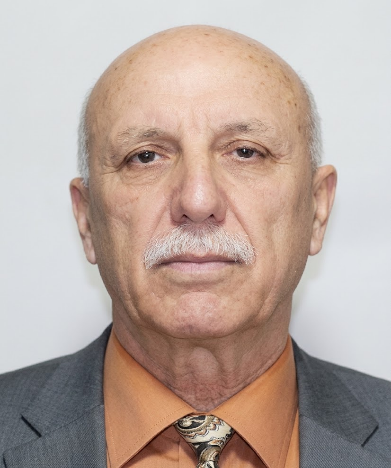
Sattorov Saidbeg
Position: Professor of the Department
Academic Degree: Doctor of Medical Sciences
Academic Title: Professor
Specialty: Hygienist, Epidemiologist
Tel: +992 98 784 24 24 E-mail: satorov1955@gmail.com
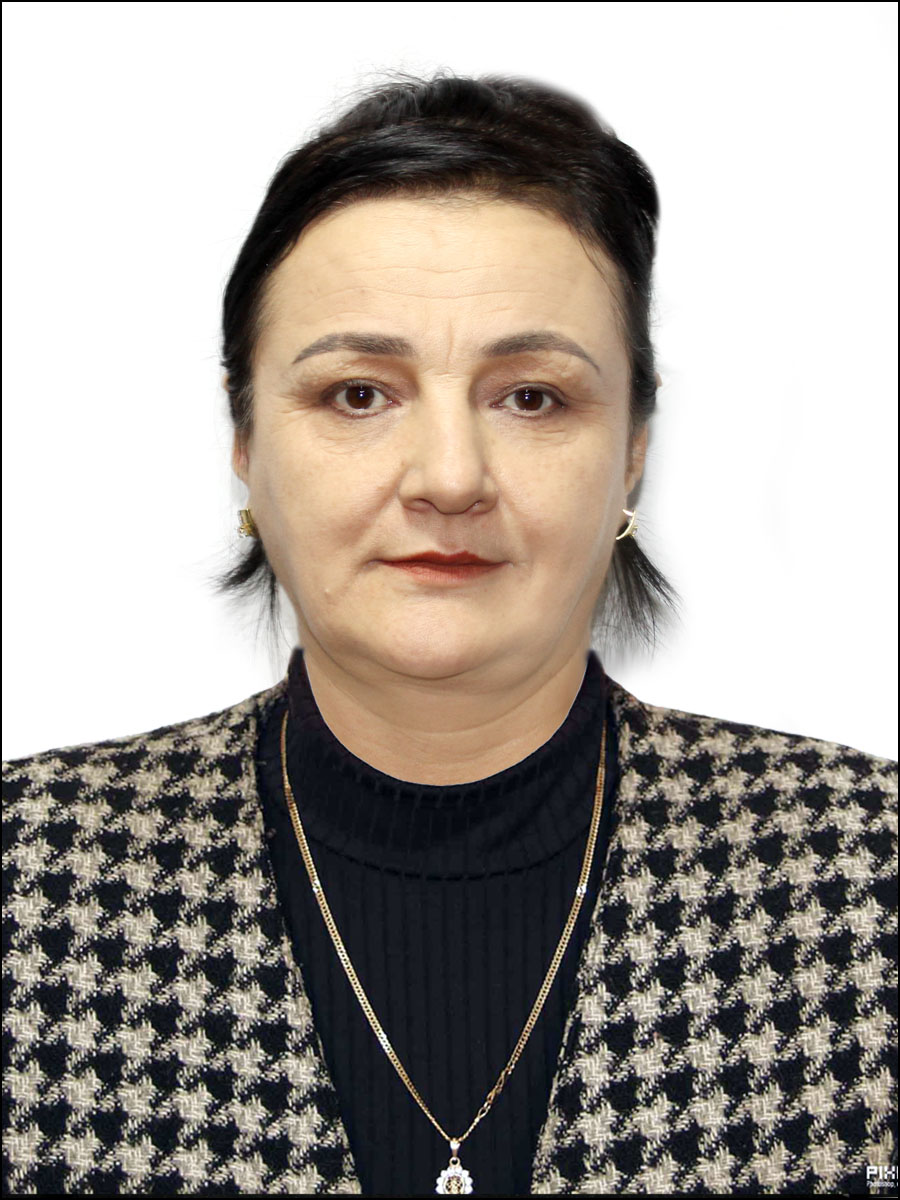
Nazarmamadova Sohibjamol
Position: The assistant of the department of microbiology, virology and immunology
Academic degree:
Tel:+992935878782
E.mail: snazarmamadova71mail.ru
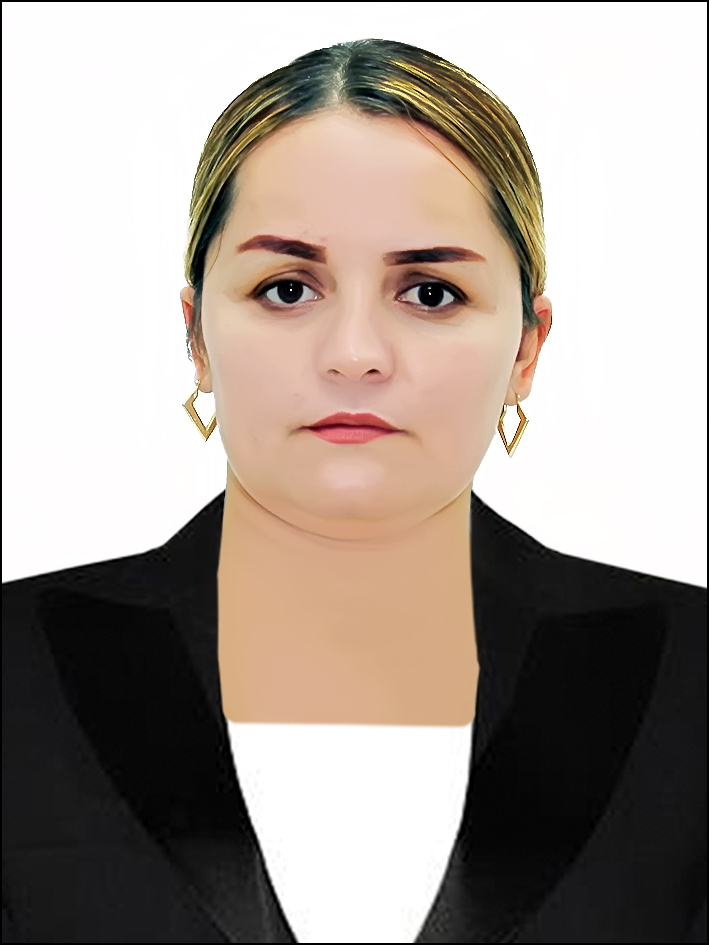
Mavlonazarova Sulhiya
Position: Assistant
Academic Degree:
Specialty: Pharmacist
Tel: +992 559 99 31 88 E-mail: smavlon88@mail.ru
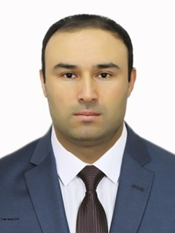
Turazoda Parviz
Position: Assistant
Academic Degree:
Specialty: Epidemiologist, Hygienist, Public Health Organization
Tel: +992 909176062 E-mail: turazoda-parviz@mail.ru
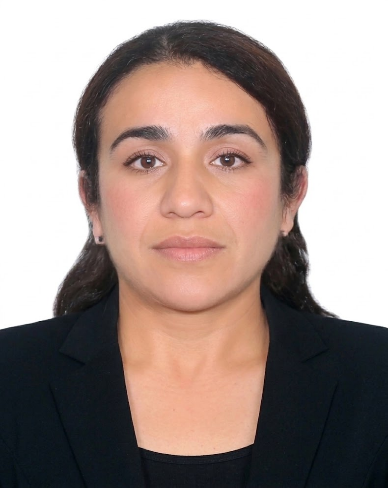
Jobirova Bahtiniso
Position: Acting Assistant
Academic Degree:
Specialty: Pharmacist
Tel: +992 005 11 35 71 E-mail: bdzhobirova92@mail.ru
Regulations on the Scientific Club
Job Description of the Head of the Department
Job Description of the Professor of the Department
Job Description of the Associate Professor of the Department
Job Description of the Senior Lecturer of the Department
Job Description of the Assistant of the Department
Job Description of the Laboratory Assistant of the Department
Implementation Acts in the Educational Process
- Implementation acts of the Department of Microbiology, Virology and Immunology for 2024–2025;
- Implementation acts of the Department of Microbiology, Virology and Immunology for 2025–2026;
Academic Mobility
- Academic mobility of the faculty of the Department of Microbiology, Virology and Immunology of NEI MSIT in 2024–2025;
- Academic mobility of the faculty of the Department of Microbiology, Virology and Immunology of NEI MSIT in 2025–2026;
- Advanced training and professional development of the faculty of the Department of Microbiology, Virology and Immunology of NEI MSIT in 2024–2025;
- Advanced training and professional development of the faculty of the Department of Microbiology, Virology and Immunology of NEI MSIT in 2025–2026;