
Department of Oncology and Radiation Diagnostics
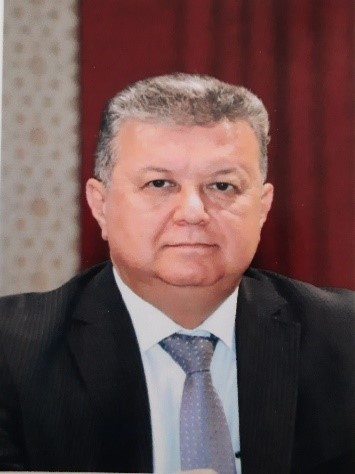 |
Huseinzoda Zafar Habibullo Doctor of Medical Sciences, Professor, Chief Oncologist at the Ministry of Health and Social Protection of the Republic of Tajikistan, Honorary Worker of Tajikistan, "Excellent Healthcare Worker of the Ministry of Health and Social Protection of the Republic of Tajikistan," Physician of the Highest Qualification Category Head of the Department of Oncology and Radiation Diagnostics at the NEI“Medical and Social Institute of Tajikistan” |
Department of Oncology and Radiation Diagnostics
The Department of Oncology and Radiation Diagnostics at the NEI “Medical and Social Institute of Tajikistan” trains highly qualified specialists in clinical oncology, radiation diagnostics and Radiation therapy in accordance with modern educational standards and healthcare system requirements. The educational process is aimed at developing modern professional competencies in students and medical interns, developing clinical thinking and mastering the principles of evidence-based medicine. The department's main activities include organizing and conducting educational processes for senior students, implementing modern teaching methods, developing clinical thinking and practical skills based on the principles of evidence-based medicine, and preparing young specialists for practical work in the healthcare system. Educational activities include lecture courses, practical classes, clinical case studies, work with patients at clinical sites, and independent research work by students .Particular attention is paid to the early diagnosis of malignant neoplasms, modern treatment methods, an interdisciplinary approach and the introduction of innovative technologies into the educational process. The department's research focuses on current issues in oncology and radiation diagnostics, improving methods for the early detection, diagnosis and comprehensive treatment of malignant neoplasms. The Department staff actively participate in scientific and practical conferences, develop educational materials, implement innovative technologies and implement educational and preventive programs aimed at improving the quality of health care and raising cancer awareness among healthcare professionals and the public.
The purpose and objectives of the Department of Oncology and Radiation Diagnostics:
These include training students and physicians, conducting scientific research, and implementing modern methods for diagnosing and treating cancer.
The main goals and objectives of the Department of Oncology and Radiology are:
Introducing students to the oncology community (developing a professijnal culture); developing students' general cultural competencies through academic work; educating students through the subject of oncology in the spirit of a humane attitude toward patients and universal values; developing clinical thinking in oncology among 5th- and 6th-year students; career guidance, promoting the achievements of modern oncology science and technology among young people and debunking cancer myths.
•Teaching medical students the basics of oncology, radiation diagnostics and therapy.
• Training highly qualified specialists in oncology and radiology.
• Implementation of modern educational technologies and methods in the educational process.·
Research:
• Conducting research on current issues in oncology and radiation therapy.
• Developing and implementing of new methods for diagnostics and treament cancer.
• Studying the epidemiology and prevention of cancer.
• Studying the mechanisms of tumour development.
Clinical activities:
• Providing spesialized medical care to cancer patients.
• Implementing modern diagnostic and treatment methods into clinical practice.
• Ensuring continuity of care for cancer patients at all stages of treatment.
• Collaborating with other medical institutions the diagnosis and treatment of cancer.
Additional tasks:
• Developing and implementing of new technologies in radiation diagnostics and therapy, including hybrid technologies.
• Participation in international clinical trials.
• Promoting healthy lifestyle and cancer prevention.
• Participation in the work of cancer centers and other medical institutions.