
Department of Urology with a Courses in Anesthesiology
Last update: 03.11.2026
Head of department
-
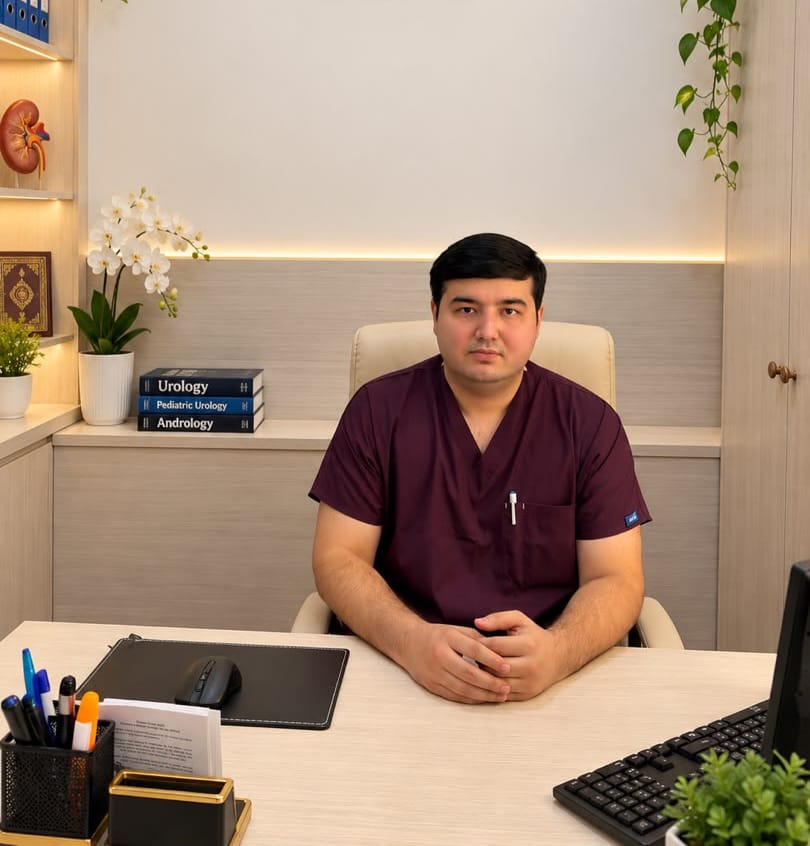
Kavrakov Toshmuhamad Jamshedovich
Position: Head of Department of Urology with a Course in Anesthesiology, Medical-Social Institute of Tajikistan
Academic title:
Specialty: UROLOGIST • ENDOUROLOGIST • PEDIATRIC UROLOGIST
Теl.: +992 902 552727
e-mail: drkavrakov96@gmail.com
CONTACTS
The Department of Urology with a Course in Anesthesiology is located in the building of the Clinical, Scientific and Educational Center of the Medical and Social Institute of Tajikistan (non-state educational institution).
Address: 734042, Republic of Tajikistan, Dushanbe, 2 Klara Tsetkin Street
Telephone: (+992) 902552727
E-mail: drkavrakov96@gmail.com
HISTORICAL BACKGROUND
- General Provisions
The Department of Urology with a Course in Anesthesiology is an independent structural educational unit of the Medical and Social Institute of Tajikistan (non-state educational institution). It carries out educational, teaching and methodological, research, and clinical activities in the relevant medical fields.
The history of the Department is directly linked to the consistent development of the Institute’s organizational structure, the improvement of the system of training medical specialists, and the expansion of opportunities for teaching specialized clinical disciplines.
- History of the Department’s Establishment
On July 1, 2024, by Order No. 04-352, the Department of Traumatology, Orthopedics and Military Field Surgery with a Course in Urology and Anesthesiology was established.
The creation of the combined department was aimed at organizing the educational process in the relevant clinical disciplines, improving teaching and methodological work, developing research potential, and ensuring the practical training of future medical specialists.
The first head of the newly formed department was M. M. Rachabzoda.
Under his leadership, the organizational foundation of the Department was laid, the main areas of educational activity were defined, and the initial development of the combined structural unit was ensured.
- Reorganization of the Department
On July 18, 2026, by Order No. 04-584, with the aim of improving the Institute’s organizational structure and further developing specialized clinical disciplines, the Department of Traumatology, Orthopedics and Military Field Surgery with a Course in Urology and Anesthesiology was reorganized.
As a result of the reorganization, the single department was divided into two independent structural units:
- Department of Traumatology, Orthopedics and Military Field Surgery.
- Department of Urology with a Course in Anesthesiology.
The reorganization became a significant stage in the Institute’s organizational development. It created the conditions for the independent functioning of the specialized departments, the improvement of teaching of specialized medical disciplines, and the further development of their research and clinical activities.
Thus, July 18, 2026 is the date on which the Department of Urology with a Course in Anesthesiology was established as an independent structural unit of the Institute.
- Appointment of the Head of the Department
Since August 1, 2026, the Head of the Department of Urology with a Course in Anesthesiology has been T. J. Kavrakov.
Taking into account the organizational continuity of the previously existing combined unit, he is the second head in the history of the Department.
Under his leadership, the educational, teaching and methodological, research, and clinical activities of the Department continue to develop.
Special attention is paid to improving the quality of teaching of the core disciplines, strengthening students’ practical training, developing clinical thinking, and introducing modern approaches to medical education.
Since its establishment, the Department has operated in accordance with its work plan, its charter, the decisions and orders of the Ministry of Education and Science of the Republic of Tajikistan and the Ministry of Health and Social Protection of the Population of the Republic of Tajikistan, other regulatory legal documents, and the decisions of the Academic Council and the Board of the Medical and Social Institute of Tajikistan (non-state educational institution).
The Department is part of the structure of the Dean’s Office of the Faculty of Medicine of the Institute and is the main base for training highly qualified personnel in the field of medicine.
The Department is regarded as a core educational and scientific unit of the Institute and carries out its activities in the areas of teaching and methodological work, research, public outreach and education, and international relations.
Main Areas of the Department’s Activity
Urology is a branch of clinical medicine that studies the etiology, pathogenesis, diagnosis, treatment, and prevention of diseases of the urinary system in both sexes and of the male reproductive system. Knowledge of the normal anatomy, histology, and physiology of the genitourinary organs is a prerequisite for understanding the mechanisms of urological diseases and for choosing a treatment method. The subjects of study are patients with urological pathology and the results of their clinical, laboratory, instrumental, and radiological examinations. The progress of modern urology largely depends on its foundation in the achievements of physics, chemistry, mathematics, information science, and high technology (endoscopy, laser lithotripsy, robot-assisted surgery). Urology occupies an important place in the system of medical education, laying the foundations of clinical thinking and the principles of diagnosis and treatment of genitourinary diseases in adults and children.
Aim of the discipline: to develop students’ clinical thinking in urology, to build the ability to diagnose urological diseases and provide emergency care, and to lay the foundation for a physician’s practical work.
Objectives of the discipline:
- to develop an understanding of the principles of examining a urological patient through demonstration and discussion of clinical cases; to develop diagnostic skills through patient supervision and the interpretation of laboratory and instrumental data;
- to develop practical concepts in studying the etiology, pathogenesis, and clinical manifestations of diseases of the kidneys, urinary tract, and male genital organs that determine the choice of treatment strategy;
- to develop clinical thinking in discussing the theoretical foundations of diagnosis and treatment of urological diseases, together with the study of radiological, ultrasound, and endoscopic examination methods;
- to develop students’ understanding of the body’s response to inflammatory, obstructive, neoplastic, and traumatic lesions of the genitourinary system at the cellular, tissue, and organ levels;
- to develop basic knowledge of emergency care for renal colic, acute urinary retention, gross hematuria, injuries of the genitourinary organs, and acute pyelonephritis, and to master related clinical disciplines successfully, with particular attention to the specifics of childhood;
- to develop students’ skills in working with educational and scientific literature and modern information systems, as well as analytical and research skills;
- to develop interest, independence, and activity in learning as evidence of effective adaptation and quality of education;
- to foster a culture of intellectual work, broaden students’ horizons, and develop important professional, personal, and moral qualities, and the foundations of medical ethics and deontology.
Upon completing the course, the student must demonstrate the following learning outcomes:
Know:
- safety rules, asepsis, and antisepsis when working in a urological hospital and operating room;
- anatomical and physiological features of the genitourinary system and methods of examining urological patients;
- the etiology, pathogenesis, clinical picture, diagnostic criteria, and principles of treatment of the main urological diseases (urolithiasis, pyelonephritis, cystitis, benign prostatic hyperplasia, tumors of the kidney, bladder, and prostate, injuries, developmental anomalies, and inflammatory diseases of the male genital organs);
- indications and contraindications for instrumental, endoscopic, and surgical methods of treatment in urology, possible complications, and their prevention.
Be able to:
- take a history of complaints and medical history, and perform an objective examination of a urological patient, including digital rectal examination and palpation of the kidneys and bladder;
- use educational, scientific, and popular science literature and the Internet in professional activity;
- interpret the results of urinalysis, Nechiporenko and Zimnitsky tests, biochemical indicators of renal function, and ultrasound, radiological, and endoscopic examinations;
- perform bladder catheterization and provide first aid for renal colic, acute urinary retention, and urological injuries;
- determine and evaluate laboratory findings in urological diseases;
- apply knowledge of urology in practice to solve clinically oriented situational problems.
Master:
- skills of clinical examination of a urological patient and analysis of the results of additional diagnostic methods;
- the technique of bladder catheterization, bladder irrigation, and provision of emergency care;
- preparation of medical documentation and protocols, and completion of the case history;
- independent work with educational and scientific literature and writing of abstracts;
- the ability to compare clinical manifestations and examination data and to choose treatment tactics.
Relationship of urology with other disciplines of the curriculum and its place in the health care system
Urology is closely related to such curriculum disciplines as human anatomy, histology, normal physiology, biological chemistry, pharmacology, pathological anatomy, pathological physiology, general surgery, nephrology, obstetrics and gynecology, pediatrics, and other clinical disciplines. The subject serves as an intermediate link, a bridge connecting the fundamental medical disciplines with practical clinical work, and it develops skills in the diagnosis, emergency care, and treatment of diseases of the genitourinary system.
Anesthesiology and Resuscitation (Critical Care) is a branch of clinical medicine that studies methods of protecting the body from the aggression associated with surgical intervention and critical conditions, the principles of pain relief, and ways of maintaining and restoring impaired vital functions. Knowledge of normal anatomy, physiology, and pharmacology is a prerequisite for understanding the mechanisms of action of anesthetics, the development of critical conditions, and the choice of an intensive care method. The subjects of study are patients requiring anesthetic management and intensive care, and the results of clinical, laboratory, and instrumental monitoring of vital functions. The progress of modern anesthesiology and resuscitation largely depends on its foundation in the achievements of physics, chemistry, pharmacology, mathematics, information science, and high technology (hemodynamic and gas exchange monitoring, ultrasound guidance, modern inhalation and intravenous anesthetics, mechanical ventilators). Anesthesiology and resuscitation occupy an important place in the system of medical education, laying the foundations of clinical thinking, safe perioperative patient management, and emergency care in life-threatening conditions.
Aim of the discipline: to develop students’ clinical thinking in anesthesiology and resuscitation, to provide knowledge of the main methods of pain relief and intensive care, to build the ability to assess a patient’s condition and provide emergency care in critical conditions, and to lay the foundation for a physician’s practical work.
Objectives of the discipline:
- to develop an understanding of the principles of preoperative patient assessment and the choice of anesthesia method through demonstration and discussion of clinical cases; to develop diagnostic skills in assessing the condition of the respiratory, cardiovascular, and other body systems;
- to develop practical concepts in studying the mechanisms of action of anesthetics, muscle relaxants, and analgesics that determine the choice of method and tactics of anesthetic management;
- to develop clinical thinking in discussing the theoretical foundations of anesthesia, intensive care, and resuscitation, together with the study of methods for monitoring vital functions;
- to develop students’ understanding of the body’s response to surgical aggression, pain, blood loss, anesthesia, and critical conditions at the cellular, tissue, and organ levels;
- to develop basic knowledge of emergency care for circulatory arrest, acute respiratory failure, shock, anaphylaxis, comatose states, and acute blood loss, and to master related clinical disciplines successfully, with particular attention to the specifics of childhood;
- to develop students’ skills in working with educational and scientific literature and modern information systems, as well as analytical and research skills;
- to develop interest, independence, and activity in learning as evidence of effective adaptation and quality of education;
- to foster a culture of intellectual work, broaden students’ horizons, and develop important professional, personal, and moral qualities, and the foundations of medical ethics and deontology.
Upon completing the course, the student must demonstrate the following learning outcomes:
Know:
- safety rules, asepsis, and antisepsis when working in the operating room and intensive care unit and when using anesthetic and respiratory equipment;
- anatomical and physiological features of the respiratory, cardiovascular, and central nervous systems, the mechanisms of pain formation, and methods of pain relief;
- types and methods of general, regional, and local anesthesia, indications and contraindications for them, complications of anesthesia, and their prevention;
- the etiology, pathogenesis, clinical picture, and principles of intensive care for critical conditions (shock, acute respiratory failure, acute blood loss, sepsis, comatose states), as well as the principles of cardiopulmonary resuscitation.
Be able to:
- take a medical history, perform a preoperative assessment of the patient, and determine the degree of anesthetic risk;
- use educational, scientific, and popular science literature and the Internet in professional activity;
- interpret the results of monitoring of vital functions, blood gas values, acid-base status, water-electrolyte balance, and coagulogram;
- ensure airway patency, perform mechanical ventilation with an Ambu bag, and perform peripheral venous catheterization;
- perform basic cardiopulmonary resuscitation and provide emergency care for shock, anaphylaxis, and acute respiratory failure;
- apply knowledge of anesthesiology and resuscitation in practice to solve clinically oriented situational problems.
Master:
- skills of clinical assessment of the patient’s condition and analysis of monitoring and laboratory results;
- the technique of basic cardiopulmonary resuscitation, airway management, and mechanical ventilation;
- preparation of medical documentation and protocols, and completion of the anesthesia record and the intensive care chart;
- independent work with educational and scientific literature and writing of abstracts;
- the ability to compare clinical manifestations and monitoring data and to choose intensive care tactics.
Relationship of anesthesiology and resuscitation with other disciplines of the curriculum and its place in the health care system
Anesthesiology and resuscitation are closely related to such curriculum disciplines as human anatomy, histology, normal physiology, biological chemistry, pharmacology, pathological anatomy, pathological physiology, general surgery, urology, obstetrics and gynecology, pediatrics, and other clinical disciplines. The subject serves as an intermediate link, a bridge connecting the fundamental medical disciplines with practical clinical work, and it develops skills in assessing a patient’s condition, emergency care, pain relief, and intensive care of critical conditions.
SCIENTIFIC ACTIVITY
- Kavrakov Toshmuhamad Jamshedovich is a postgraduate research applicant in the Department of General Surgery at the Non-Governmental Educational Institution “Medical-Social Institute of Tajikistan.”
Research Topic: “Bilateral Percutaneous Nephrolithotripsy for Various Forms of Nephrolithiasis in Children.”
- Kavrakov Shohzod Jamshedovich is a postgraduate research applicant in the Department of Traumatology, Orthopedics and Military Field Surgery with a Course in Urology and Anesthesiology at the Non-Governmental Educational Institution “Medical-Social Institute of Tajikistan.”
Research Topic: “Acute Injury to the Contralateral Kidney in Unilateral Nephrolithiasis.”
EDUCATIONAL ACTIVITY OF THE DEPARTMENT
Students are trained in the following specialties:
1 – 79 01 01 General Medicine
1 – 79 01 05 Medical Psychology
Disciplines taught at the Department:
- Urology
- Anesthesiology
- Resuscitation (Critical Care)
Students study under the credit-module system in accordance with the specialty curricula and the working program of the discipline. Calendar and thematic plans for lectures and practical classes are drawn up according to this program. Teaching takes place in equipped classrooms using microslides, modern microscopes, and multimedia equipment.
Classes are held at the Department every day for first- and second-year students of the Faculties of Medicine and Dentistry and the Faculty of Medical Psychology and Social Work, in the state (Tajik) and Russian languages. Urology is taught in the classical format in the state (Tajik) and Russian languages. The subjects “Anesthesiology” and “Resuscitation” are taught through a lingua franca (English).
Knowledge is assessed at every practical class through an entry test and oral questioning during the class. The final diagnostic class (rating) summarizes the results of studying the histology section and includes a test, an oral examination, and a practical stage (identification of microslides with detailed description). At the end of each semester, provided there are no missed practical classes or lectures, a semester rating is calculated. The rating system allows students to influence the results of their intermediate assessment and encourages systematic study of the subject. Intermediate assessment in all faculties is conducted in three stages: computer-based testing, a microslide examination, a situational problem (practical skills), and an interview. The rating for both semesters plays a significant role in determining the final grade.
TEACHING AND METHODOLOGICAL ACTIVITY
The library holds a sufficient number of copies of the recommended teaching and methodological literature required to master the discipline.
The Department has prepared methodological recommendations for teachers and students on the topics of classes and lectures. These make the learning process easier and systematize the information received. Complete teaching and methodological packages have been developed for students of all specialties studying the subject.
Over the years of the Department’s work, the following teaching and teaching-methodological materials have been prepared and published:
Six syllabi have been prepared for the disciplines “Urology” and “Anesthesiology and Resuscitation” for students of the Faculty of Medicine and the Faculty of Medical Psychology in three languages (state, Russian, and English).
EDUCATIONAL AND UPBRINGING ACTIVITY
One of the most important tasks is the upbringing of young people in the spirit of patriotism and humanism, in particular the observance of ethics and deontology. Lectures on ideological, political, and educational work are held among young staff members of the Department and students.
The Department carries out educational work with students of various faculties in the specialties “General Medicine,” “Medical Psychology,” “Dentistry,” and “Social Work.” The work is conducted according to a work plan approved by the Vice-Rector for Educational Affairs, Candidate of Technical Sciences N. A. Aminova. According to the plan, each teacher-curator meets weekly with his or her curated group.
At the beginning of practical classes, the Department’s teachers hold educational talks for 10–15 minutes on the following topics: love for the Motherland and the nation; the significance of state symbols; familiarization with the books of the Founder of Peace and National Unity, Leader of the Nation, President of the Republic of Tajikistan Emomali Rahmon; the achievement of goals and implementation of the Strategy of the Government of the Republic of Tajikistan; the significance of Rogun for Tajikistan; the regulation of traditions, holidays, and rituals; parents’ responsibilities for the upbringing and education of children; Water for Sustainable Development, 2018–2028; the development of the city of Dushanbe; the lives of scientists and honored figures of the Republic of Tajikistan; achievements in education, science, and educational work; the education of foreign students; and others.
Particular importance is attached to countering extremism and terrorism and anti-constitutional movements, and to the fight against corruption.
Talks are held with students every day on proper behavior in public places, communication ethics and conduct toward others, and manner of dress. Special attention is paid to students’ attendance at practical classes and lectures, active participation in public events of the Institute and the Department, and visits to places of interest in the city and the country.
DEPARTMENT STAFF
Kavrakov Toshmuhamad Jamshedovich
Position: Acting Head of the Department
Academic Degree: -
Specialty: Urologist, Endourologist, Pediatric Urologist
Phone: +992 902552727;
e-mail: drkavrakov96@gmail.com
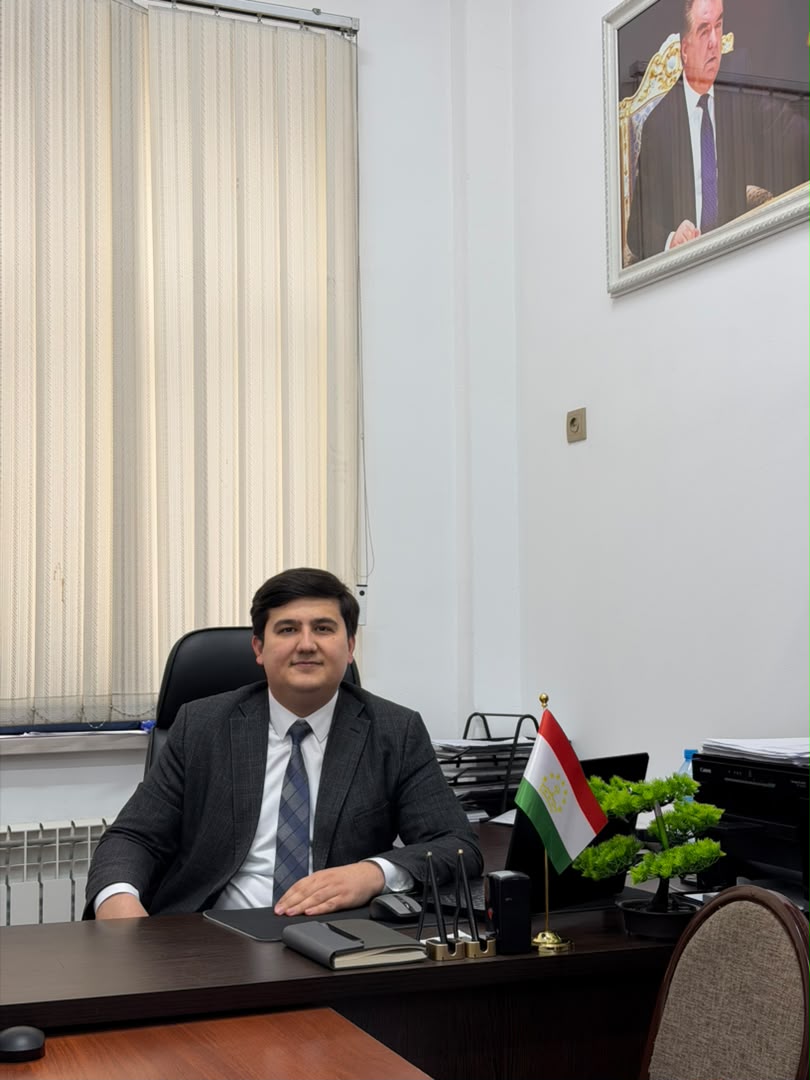
Kavrakov Shohzod Jamshedovich
Position: Assistant
Academic Degree: -
Specialty: Urologist
Phone: +992 933333261;
e-mail: Kavrakov99@mail.ru

Dodokhojaev Mansurkhon Akramovich
Position: Assistant
Academic Degree: -
Specialty: Urologist
Phone: +992 919841484;
e-mail: mansur.mda.2000@gmail.com
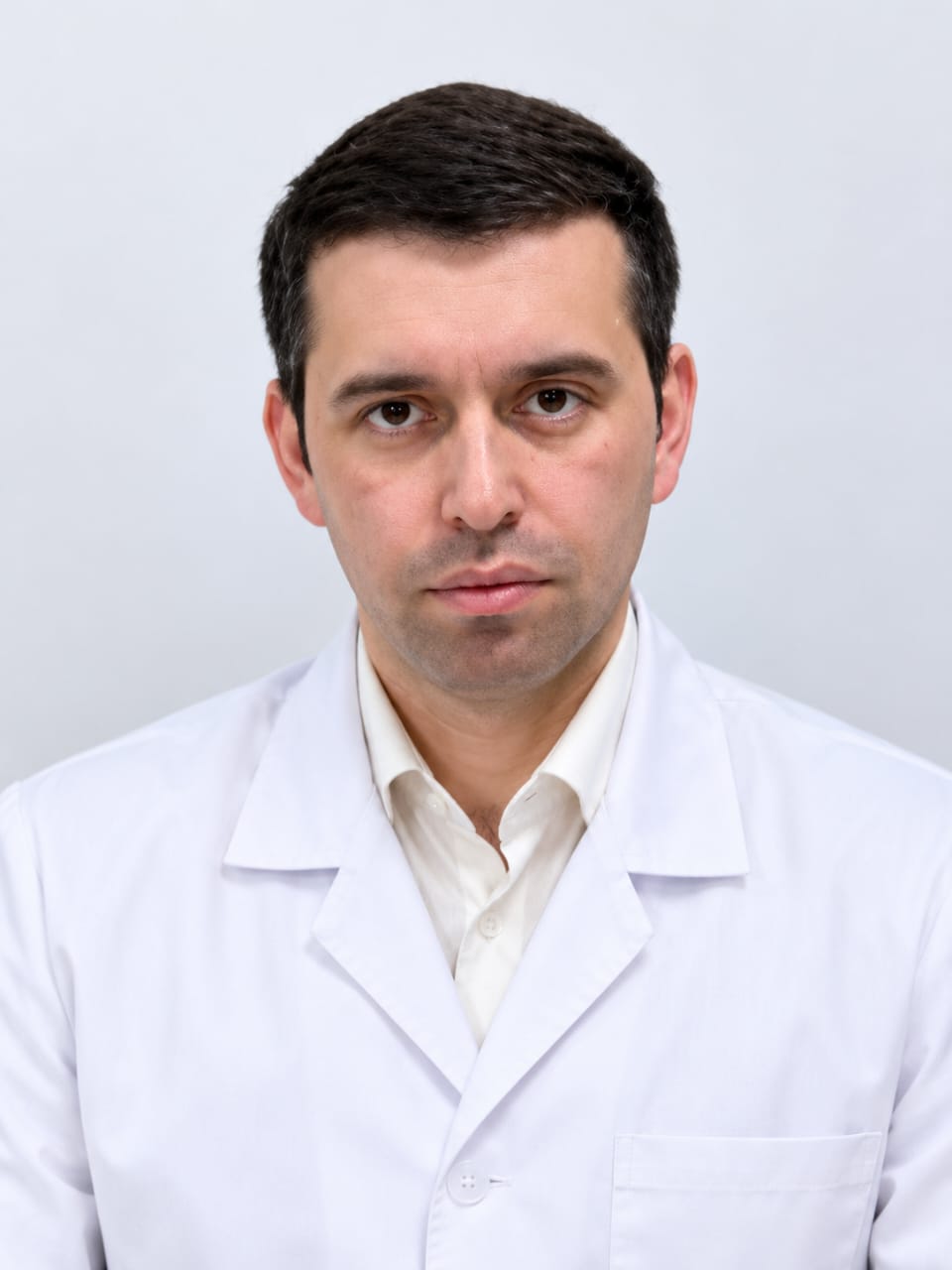
Nazarov Fayzullo Ismatulloevich
Position: Assistant
Academic Degree: -
Specialty: Urologist
Phone: +992 905 02 5959;
e-mail: fayznazarov5@gmail.com

Moyonova Shakhnoza Sharifovna
Position: Assistant
Academic Degree: PhD in Medical Sciences
Specialty: Urologist and Pediatric Urologist
Phone: +992 934219912;
e-mail: shakha_moyonova@mail.ru

Rahimov Nurmuhammad Gulmahmadovich
Position: Associate Professor
Academic Degree: PhD in Medical Sciences, Associate Professor
Specialty: Anesthesiologist-Resuscitologist
Phone: +992 918 93 8926;
e-mail: nurmahmadrahimov77@gmail.com
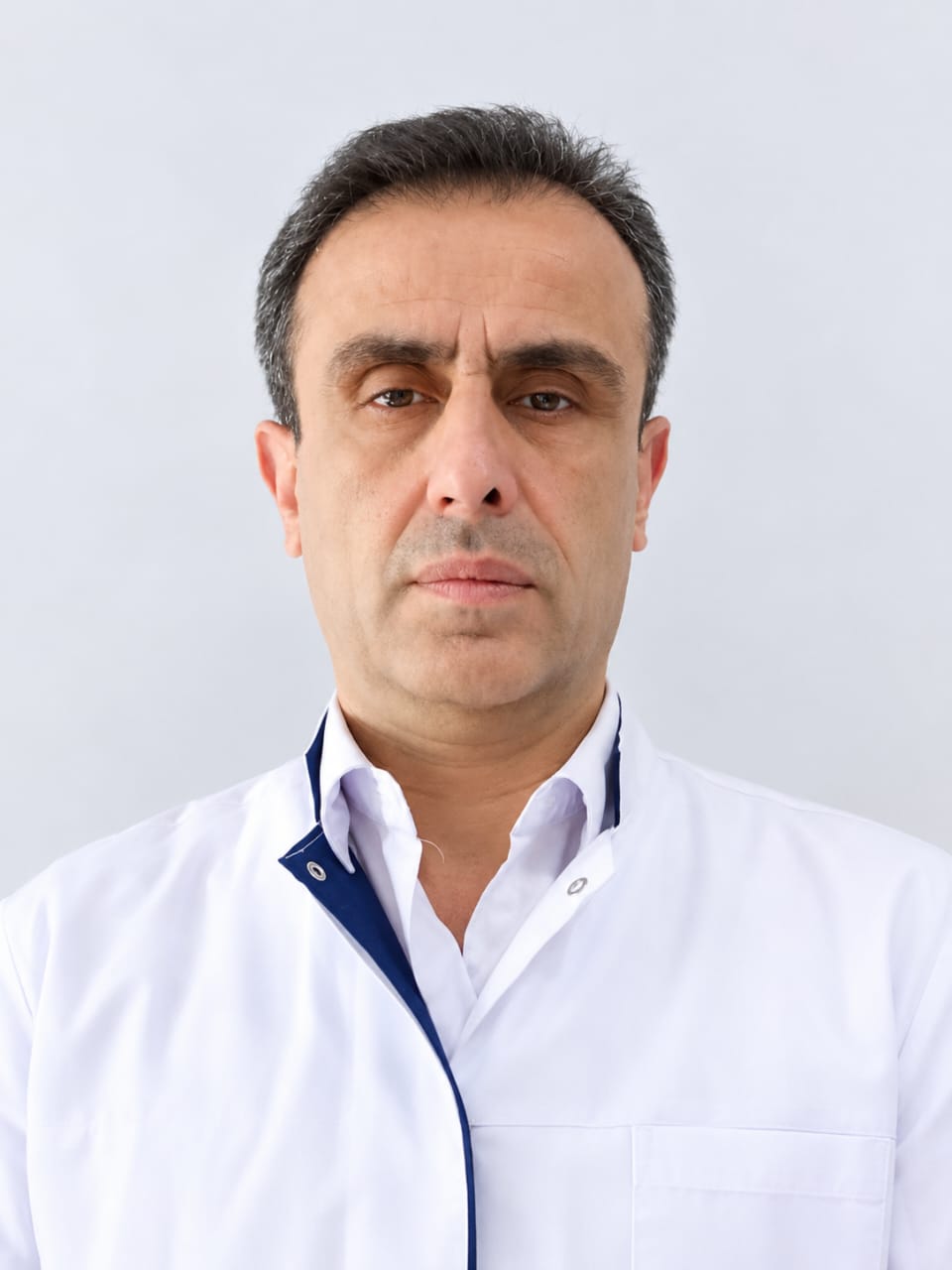
Radzhabov Subhonali Fayzalievich
Position: Assistant
Academic Degree: -
Specialty: Anesthesiologist-Resuscitologist
Phone: +992 999444016;
e-mail: radzhabovsubhon1971@gmail.com
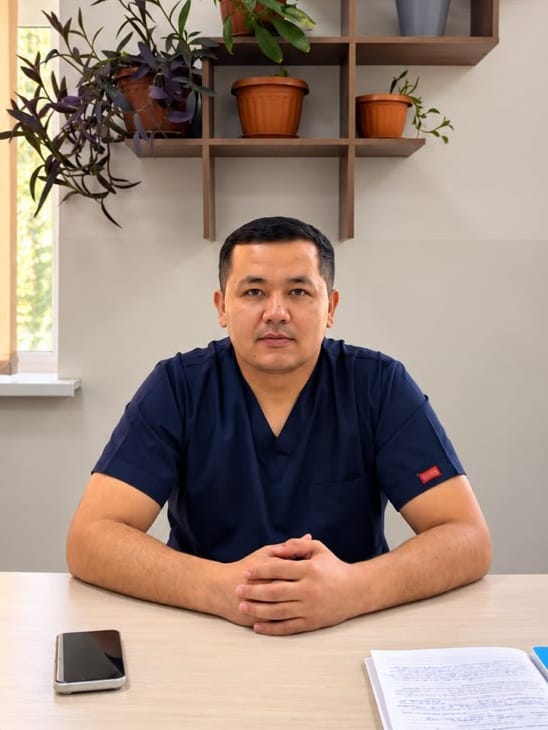
Gaziev Rustam Bayhonovich
Position: Assistant
Academic Degree: -
Specialty: Anesthesiologist-Resuscitologist
Phone: +992 900977345;
e-mail: rustamgaziev7@gmail.com
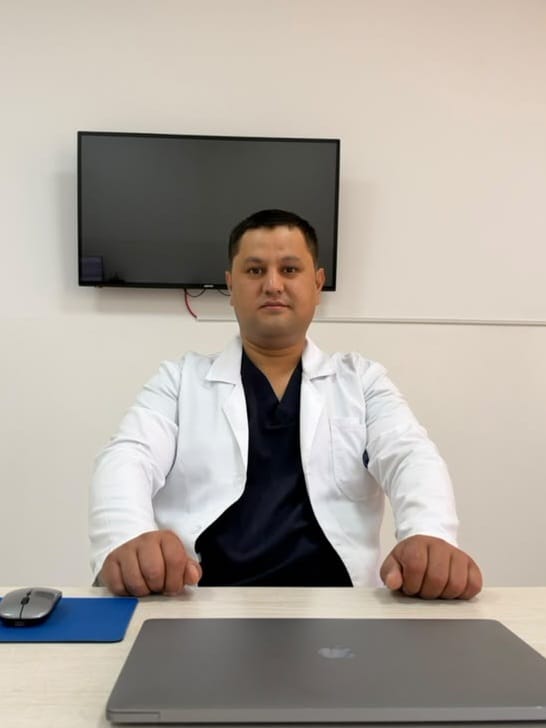
Husenov Azamat Abdukahhorovich
Position: Assistant
Academic Degree: -
Specialty: Anesthesiologist-Resuscitologist
Phone: +992 101207670;
e-mail: azamathusenovdoctor@gmail.com
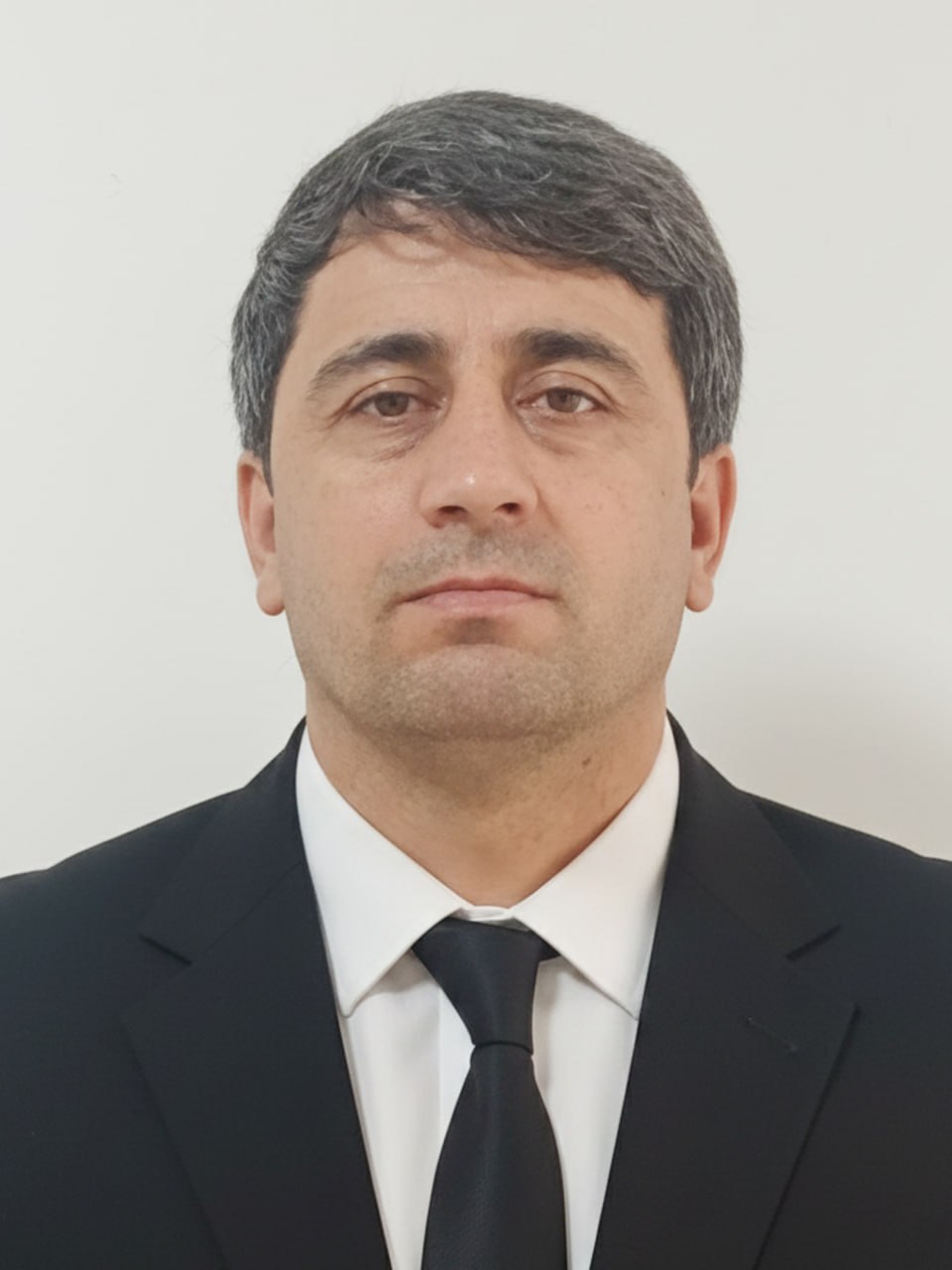
Ibrohimzoda Abdurahim Ibrohim
Position: Assistant
Academic Degree: -
Specialty: Anesthesiologist-Resuscitologist
Phone: +992 900081415;
e-mail: abdurahimibrohimzoda@gmail.com
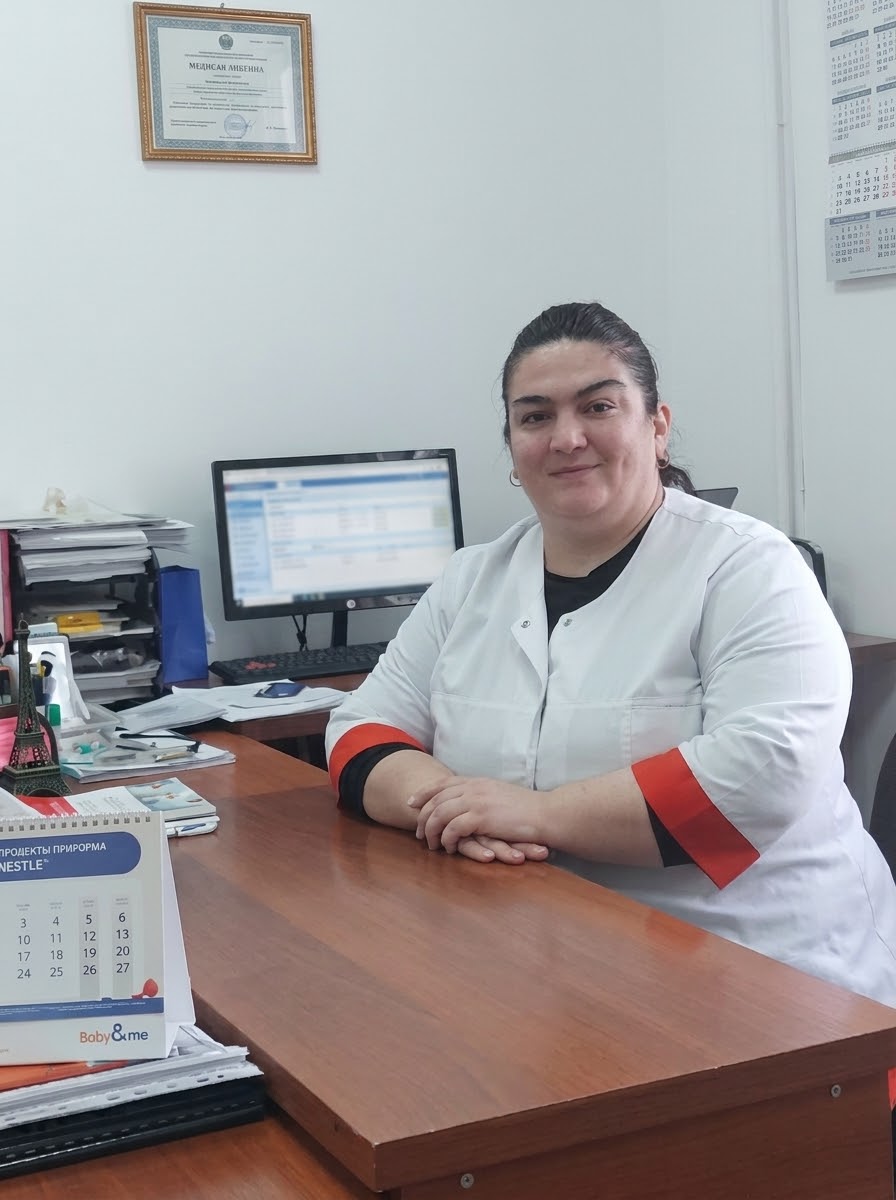
Murodova Firuza Saidbekovna
Position: Assistant
Academic Degree: -
Specialty: Anesthesiologist-Resuscitologist
Phone: +992 888802188;
e-mail: f1618802@gmail.com